The Estate
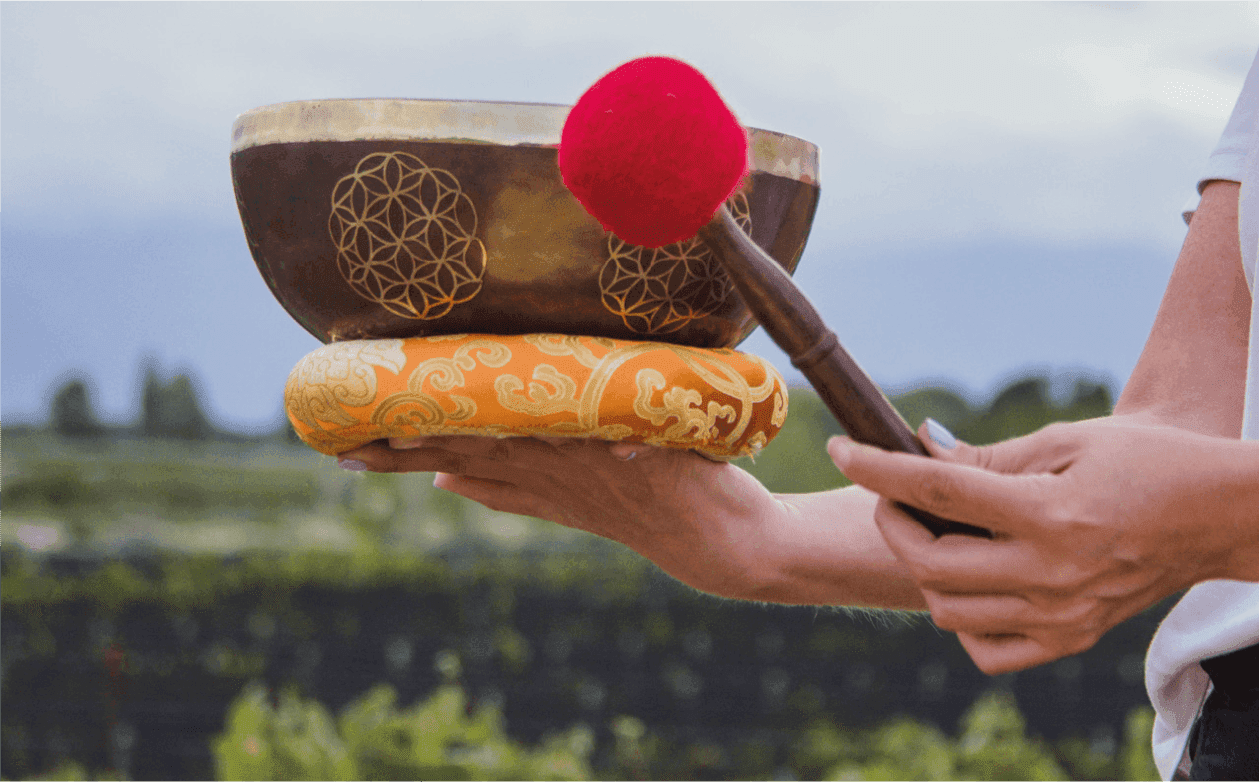
To extract and elevate the finest aromas, flavors and colors from the grapes of Gualtallary's privileged terroir, we chose to grow our vines free of pesticides and agrochemicals. In harmony with the environment and its biodiversity, we implement bioenergetic methods such as music and sound therapy to enhance the plants' balance, vitality and flavor harmony. Today, our family drives the project forward through innovative production processes that let us extract the fullest expression of each grape and enjoy a living wine in every bottle.
How did we start?
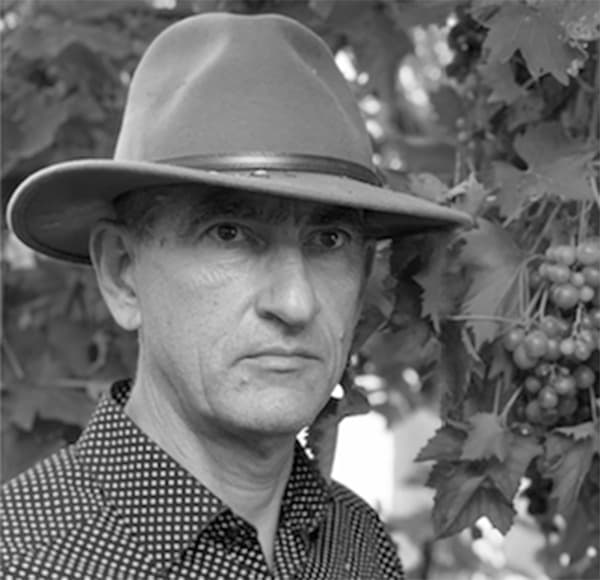
“For me, the pursuit of oenological pleasure through a broad, intense palette of flavors goes hand in hand with research into the health benefits of high-quality red wine, as long as it is made without pesticides or chemical additives. My philosophy consists of combining these three aspects, which are perfectly compatible. In my view, the true meaning of 'premium' can be summed up in a simple equation: flavor + health = intense pleasure.”
philippe Zancheta
terroir
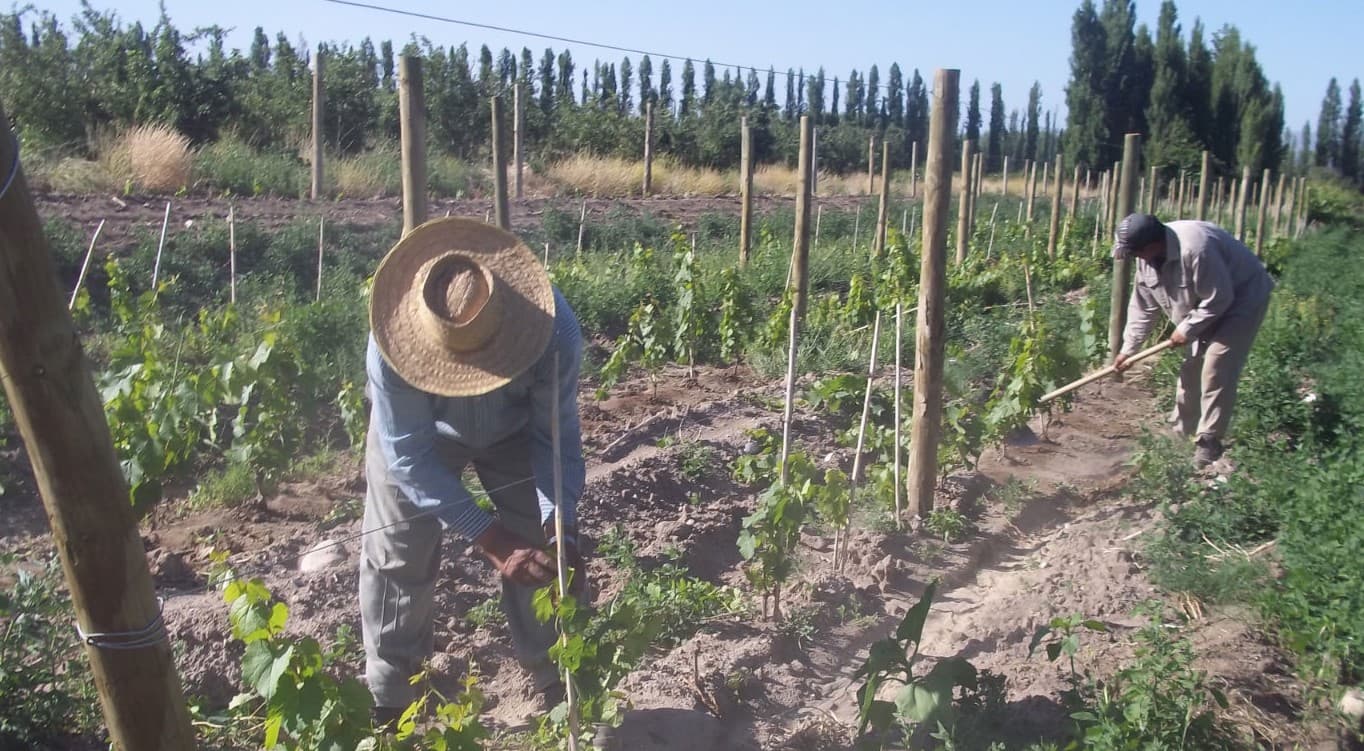
For us, terroir is the sacred bond between nature and the soul of those who work it. We understand terroir not only as soil and climate, but as the 'know-how' of the men and women who, with full awareness and respect for every plant, take part in elevating its elements. Through hand-harvesting, our hands protect the integrity of the vineyard, transforming the generosity of the land into a wine that is the purest, most sensitive expression of our own humanity.
Respect for the Environment
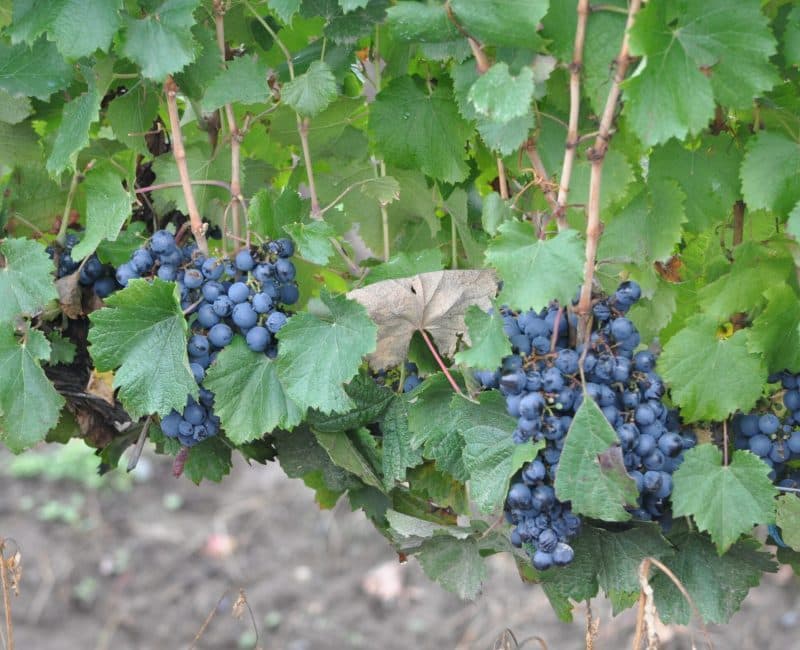
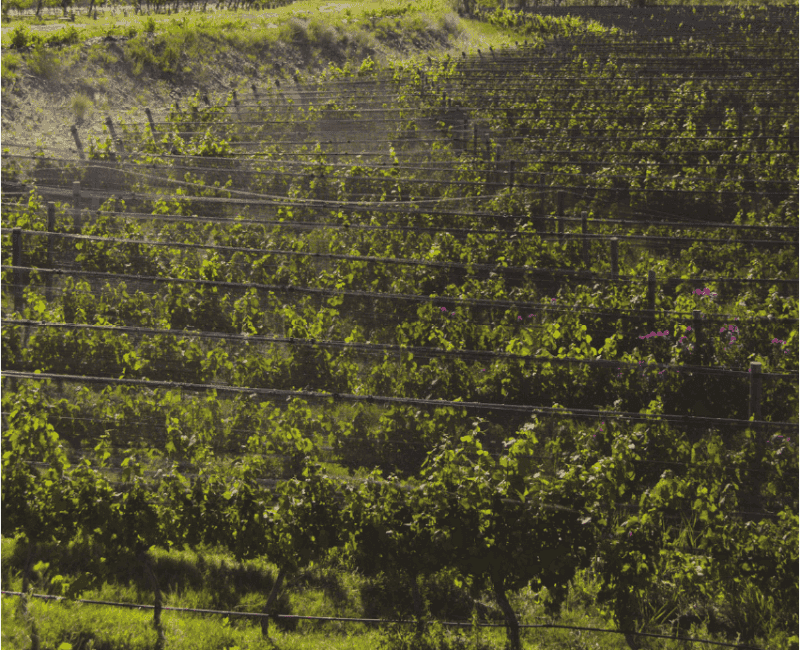
Our work is grounded in absolute respect for the environment, reaching its fullest expression in our 'pied franc' (ungrafted) vineyards. These viticultural treasures demand extreme, dedicated manual care; by prioritizing strictly qualitative farming, we accept very limited yields to obtain an unmatched purity of flavor that only expert hands can bring out. This ecosystem is favored by the harsh Andean winters and the arid summers of Tupungato, in the Alto Valle de Uco. The pronounced thermal amplitude naturally protects our vines, allowing us to build a genuinely eco-friendly vineyard (organic certification in progress) where nature and human know-how coexist in perfect harmony.
Biodiversity
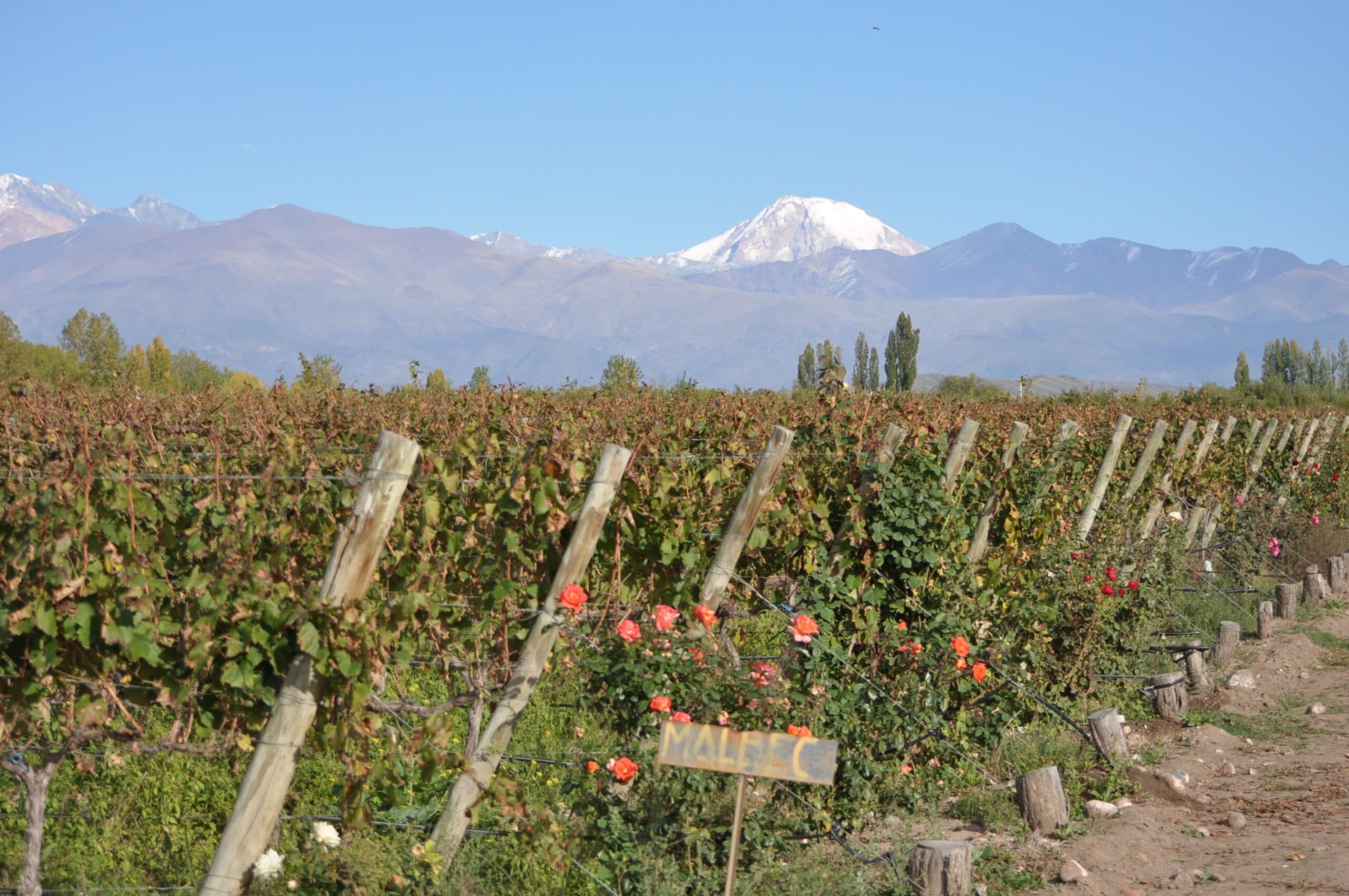
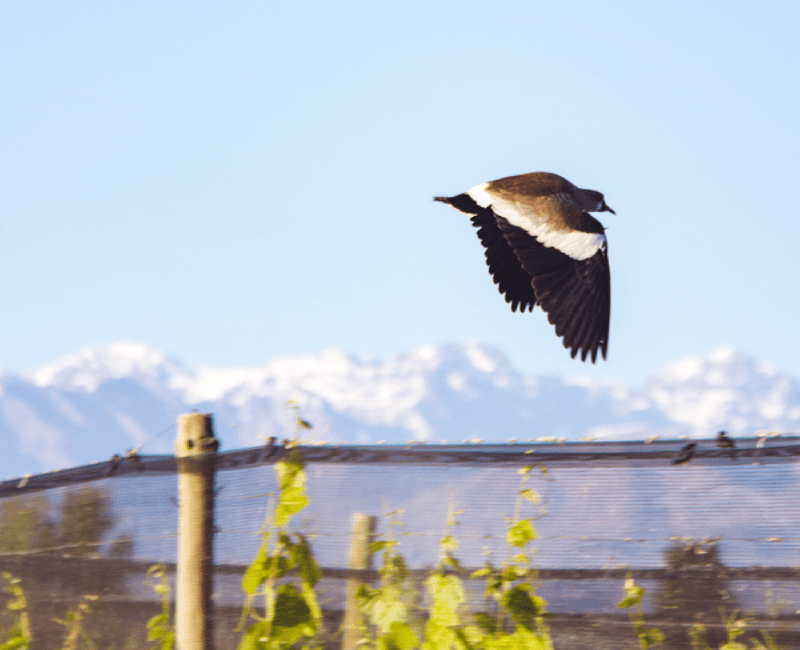
We grow our vines by fostering a living ecosystem. Between the rows, we plant local legumes that provide natural organic fertilizer, while rose bushes at the start of each row act as biological sentinels against pests. This balance is completed by our native wildlife: families of owls, southern lapwings, eagles, foxes and lizards, along with butterflies and bees, inhabit the vineyard and protect the vitality of our terroir spontaneously and naturally.
Bioenergy
Our vineyards receive multiple forms of care from bioenergetic techniques such as botanical music therapy and sound therapy. According to research in bioacoustics and plant biology, applying certain musical and sound vibrations to plants, and to vineyards in particular, has beneficial effects on their immunity and growth. In addition, the use of agro-homeopathy — the application of organic compounds in minute doses — transmits energetic information aimed at disease protection. Both practices stimulate plant growth and fruit set naturally and in harmony with the environment.
Microterroir
The vineyard is divided into individual blocks that are harvested separately in order to precisely control grape development and ripeness in each plot; this requires hand-harvesting and selecting each berry at its optimal ripeness.
Vinification is carried out separately, since each plot yields a distinct wine — hence we speak of micro-vinification. Thus, the microterroir of the dry riverbed, made up of granite river stones and little soil, characteristic of the TURSOS wine, differs from that of the sandy plots with calcareous sediments.
Once the winemaking process is complete, Philippe undertakes the delicate final task: the blending, or fusion, of different lots from the same grape variety or from different varieties (blend).